ARTICLES
Category:
Industry Specific Strategy

Technical vs. Emotional: Apparel vs Fashion
Understanding the distinction between apparel and fashion marketing is crucial for success in today's competitive retail landscape. While both sectors deal with clothing, they require fundamentally different marketing approaches. The key lies in recognizing how technical specifications drive apparel marketing, while emotional connections and social dynamics shape fashion marketing strategies.
In the apparel sector, marketing focuses primarily on technical aspects—the tangible features and performance metrics that make a product functionally superior. Consider moisture-wicking fabrics in athletic wear or the durability of work boots. These technical attributes form the foundation of product value propositions and marketing messages. The emphasis remains steadfastly on how well the product performs its intended function.
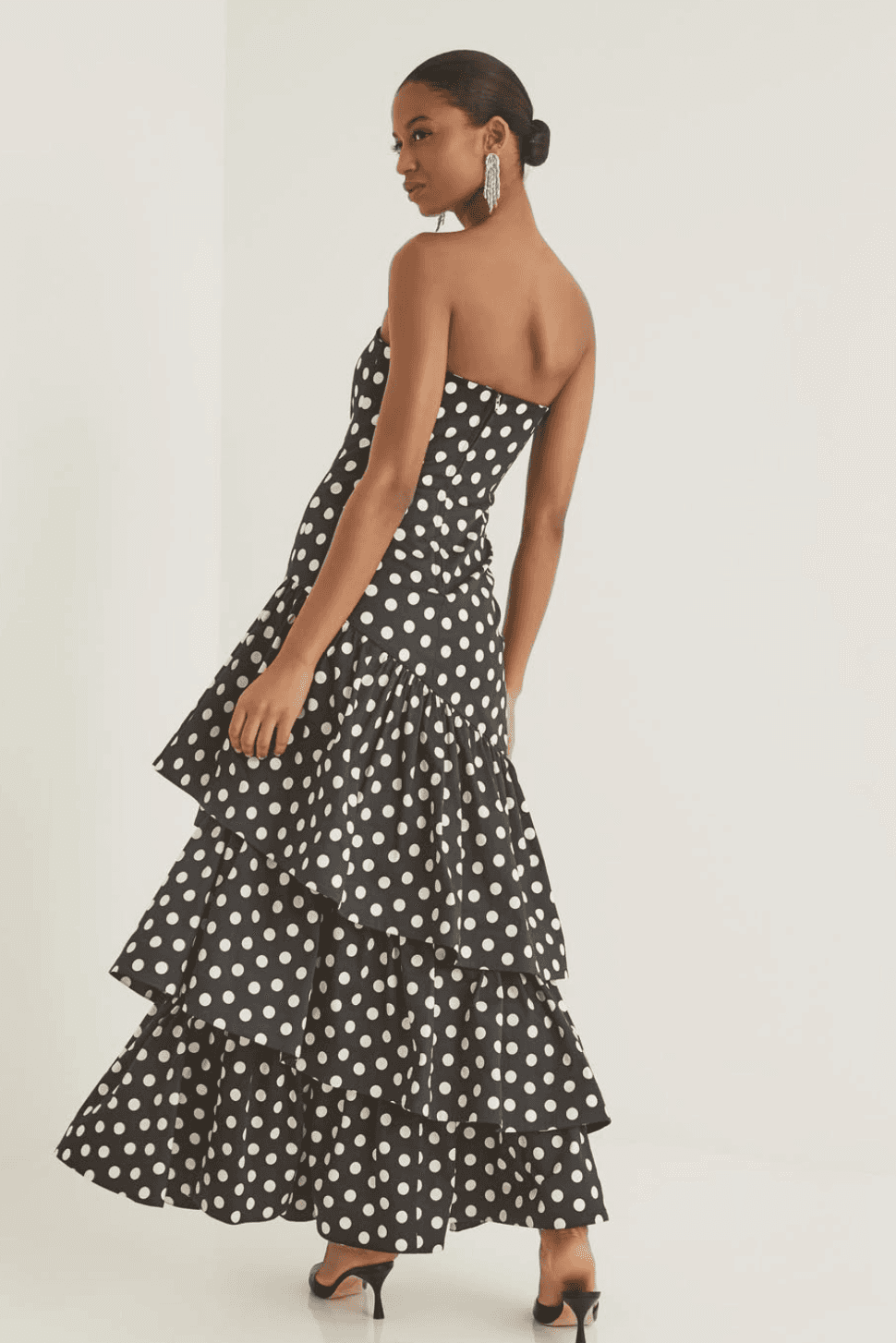
In contrast, fashion marketing operates in the realm of emotional connections and social signaling, where a designer handbag might be valued more for what it represents than its practical utility. This distinction fundamentally shapes how brands position themselves and communicate with their target audiences.
Contents
I. Technical vs. Emotional
II. Apparel Marketing: The Technical Approach
III. Fashion Marketing: The Social-Emotional Dynamic
IV. Price Point and Social Status
V. Putting Theory into Practice
Technical vs. Emotional
While traditional marketing often relies on simple emotional triggers like happiness or desire, the apparel and fashion industries have evolved beyond these basic approaches. Today's market demands more sophisticated, specialized strategies that reflect the unique positions of these sectors within the broader retail landscape.
Apparel marketing primarily emphasizes practical attributes—think breathable fabrics in sportswear or steel-toed safety in work boots—focusing on tangible specifications and measurable performance metrics. This approach resonates with consumers who prioritize functionality and value concrete benefits over abstract emotional appeals.
In contrast, fashion marketing operates in a more nuanced space, where products serve as powerful social signals and emotional touchstones, transforming simple garments into statements of identity, status, and personal expression. This transformation from mere clothing to social signifier requires a deeply sophisticated understanding of consumer psychology and social dynamics.
Apparel Marketing: The Technical Approach
Apparel marketing centers on practical features and tangible benefits that directly impact the user's experience. This approach emphasizes measurable qualities that justify purchase decisions through concrete value propositions:
Product specifications and materials: For example, a technical running shirt might highlight its 87% polyester/13% elastane blend, UV protection rating of UPF 50+, and moisture-wicking capabilities. These specific technical details provide consumers with clear, quantifiable reasons to choose one product over another.
Performance metrics and durability: Such as impact resistance in safety boots measured in joules, or the number of wash cycles a garment can withstand while maintaining its properties. These measurable performance indicators help consumers make informed decisions based on objective criteria.
Price-to-quality ratios: Comparing cost per wear and longevity metrics against market alternatives to demonstrate value. This analytical approach helps consumers understand the long-term value proposition of their purchase.
Functional benefits: Real-world applications like temperature regulation in extreme weather conditions or enhanced mobility during specific activities. These practical advantages directly address consumer needs and usage scenarios.
Fashion Marketing: The Social-Emotional Dynamic
Fashion marketing transcends pure functionality, operating in a realm where emotional resonance and social symbolism take center stage. Consider this: research shows that an astounding 90% of human communication occurs non-verbally, transforming our fashion choices into powerful, silent conversations that speak volumes before we even say a word.
In this context, fashion items become sophisticated tools for identity expression, each piece carefully woven into the fabric of social meaning. A luxury handbag isn't merely a container for personal items, nor is a designer watch simply a timepiece—they are carefully crafted social communicators that convey status, taste, and personal values. These items make subtle yet impactful statements in various settings, from high-stakes business meetings where first impressions matter, to social gatherings where personal style helps navigate complex social dynamics, to daily interactions where they contribute to our ongoing narrative of self-expression.
Price Point and Social Status
As products ascend in price point, we observe a fascinating shift in marketing emphasis—moving dramatically from technical specifications to social status and prestige. Consider luxury watches: while a $100 timepiece and a $10,000 watch may both accurately tell time, the latter commands its premium through social signaling rather than superior timekeeping. This explains why luxury brands maintain their prestige primarily through social connotation rather than technical superiority.
The higher the price point, the more crucial social connotation becomes, as there's a natural ceiling to functional improvements. For instance, a handbag can only be so waterproof or durable before additional technical improvements become negligible. Beyond this technical threshold, value is increasingly determined by social status and brand perception—explaining why a luxury handbag might cost 20 times more than its functional counterpart while offering minimal additional practical benefits.
Putting Theory into Practice
To effectively market in either the apparel or fashion space, brands must develop a comprehensive strategy that aligns with their positioning. Here's a detailed breakdown of key requirements:
Identify their primary positioning (technical vs. emotional): Brands must clearly determine whether they're primarily selling functional benefits (like moisture-wicking athletic wear) or emotional/social benefits (like luxury accessories). This fundamental decision shapes all subsequent marketing efforts.
Develop consistent messaging across all platforms: Whether highlighting technical specifications or emotional resonance, the core message should remain consistent across website content, social media, advertising, and in-store experiences.
Create authentic connections with target communities: Technical apparel brands might engage with sports enthusiasts or industry professionals, while fashion brands could focus on style influencers and lifestyle communities.
Monitor market response and adjust strategies accordingly: Use analytics, customer feedback, and sales data to continuously refine marketing approaches, ensuring they effectively communicate either technical superiority or emotional appeal.
Conclusion
Understanding the distinction between technical apparel marketing and emotional fashion marketing is crucial for brand success in today's retail landscape. While apparel brands need to focus on communicating functional benefits and specifications—like the moisture-wicking capabilities of athletic wear or the impact resistance of safety boots—fashion brands must build deeper emotional connections and social significance through their messaging. This fundamental difference shapes everything from product positioning to marketing strategy and customer engagement.
Ready to elevate your brand's marketing strategy? Partner with Veicolo to develop a targeted approach that perfectly aligns with your brand's position in the technical-emotional spectrum. Our expertise in both apparel and fashion marketing ensures your message resonates with the right audience, whether you're highlighting technical excellence or building emotional connections. Contact us today for a discovery call to explore how we can enhance your market presence and drive meaningful results.
Featured Case Study


304 %
Scaled Revenue MoM


4x ROAS
consistently over 6 months


125 %
YoY Meta Spend Growth


304 %
Scaled Revenue MoM
OUR APPROACH
Turning Performance Data
Into Profit Clarity
1. Profit-First Measurement
We start where most growth strategies stop: profit. Campaigns, channels, and products are evaluated against margin, contribution, and cash flow—not surface metrics.
2. Marketing Connected to the P&L
Performance data only matters when it maps to financial reality. We align ad spend, customer acquisition, inventory, and lifecycle value into a single decision-making system.
3. Continuous Financial Optimization
Growth isn’t a one-time model. We monitor performance as conditions change—traffic mix, demand, costs—so decisions stay profitable as you scale.




Want to get similar results?
Our Impact,
By The Numbers
RELATED ARTICLES